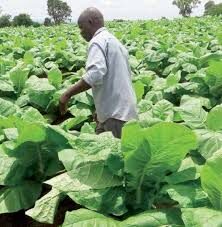
According to official Government data, Zambia’s agricultural products accounted for nearly 20% of Non-Traditional Exports (NTEs) in June 2026, up from 16% recorded in May 2026. The data seen by the Zambian Business Times – ZBT, further shows that export earnings from agricultural products increased by 13% from K1.6 billion in May to K1.8 billion in June, driven mainly by tobacco partly.
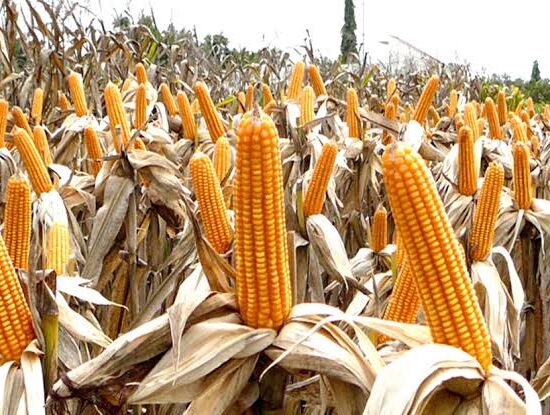
Speaking in an interview with Zambian Business Times – ZBT, economic expert, Enoch Hachibi said the growth in agricultural exports was largely seasonal, following the country’s main harvest period. “The 13% jump in agricultural export earnings from K1.6 billion to K1.8 billion is largely seasonal because June falls right after the main harvest, so you expect tobacco, corn seed and soyabean oilcake to move, with tobacco remaining our traditional cash crop anchor,” said Hachibi.
He, however, urged that sustaining the growth will depend on value addition, climate conditions and access to regional markets, stating that Zambia was still exporting mostly raw agricultural commodities instead of processed products that earn higher value.
Meanwhile, Hachibi said the 10% decline in non-agricultural exports deserved close attention because the sector still contributes the largest share of Zambia’s non-traditional exports. “We should pay attention because non-agricultural exports still make up about 80% of the basket, and a K900 million month-on-month decline is significant, likely reflecting global commodity price volatility and continued energy and logistics challenges,” he said.
Hachibi told ZBT that although agriculture’s share had increased while non-agricultural exports declined, the latest figures should not yet be interpreted as evidence that Zambia has successfully diversified its export base.
“One month does not make a trend because what we are seeing is agriculture cushioning the economy when mining slows, but real diversification will come when we consistently export more processed agricultural products, processed minerals and manufactured goods,” he said.
Hachibi urged Government to adopt a two-track strategy by expanding irrigation, supporting agro-processing and strengthening extension services while also promoting mining beneficiation, lowering energy and transport costs, and leveraging the African Continental Free Trade Area to increase exports of higher-value products rather than raw commodities.
By Philip Sinkala