The Zambia Chamber of Commerce and Industry (ZACCI) has indicated that although inflation and commodity prices have eased significantly over the past year, it is still too early to conclude that the cost of living has become affordable for most Zambians.
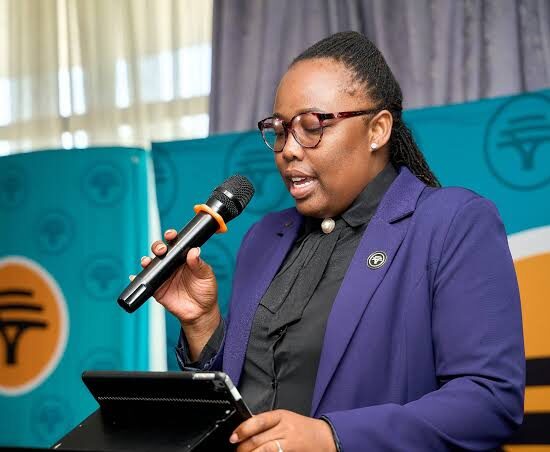
Speaking in an interview with Zambian Business Times – ZBT, ZACCI Chief Executive Officer, Emmanuel Mumba said affordability depends not only on falling prices but also on household incomes and purchasing power.
“It would be premature to conclude that the cost of living has become affordable for all citizens because many families continue to face financial pressures,” said Mumba. He explained that while essential commodities have become relatively cheaper compared to the same period last year, many households are still struggling to match their incomes with daily living expenses.
“Zambia’s annual inflation dropped from 14.1 percent in June 2025 to 6.5 percent in June 2026, while food inflation declined from 16.7 percent to 6.7 percent, providing welcome relief to consumers and businesses,” said Mumba.
He attributed the improvement to the appreciation and relative stability of the Kwacha, which has reduced the cost of imported goods and production inputs for businesses. Mumba further said Zambia’s bumper maize harvest of approximately 4.9 million metric tonnes during the 2025/2026 farming season has strengthened food supply, improved food security and eased pressure on staple food prices.
However, he cautioned that commodity prices cannot be viewed in isolation because fuel prices, electricity tariffs, transport costs and geopolitical developments continue to influence the cost of doing business.
“Maintaining lower and more stable prices will require continued exchange rate stability, prudent fiscal and monetary policies, sustained investment in agriculture, reliable energy supply, lower business and logistics costs, and increased investment in local manufacturing and value addition,” he said.
Mumba further urged policymakers to promote competitive markets that enable businesses to pass genuine cost savings on to consumers while strengthening Zambia’s long-term economic resilience.
Article by Justine Phiri