The term gerrymandering may have been coined in the United States more than 200 years ago, but concerns are emerging that the practice of manipulating systems and rules for political advantage could be finding relevance in Zambia’s modern democratic landscape.
Historically, the term originated in 1812 after Massachusetts Governor Elbridge Gerry approved electoral boundaries that critics argued were deliberately designed to benefit his political party, giving birth to a concept that has since become synonymous with the strategic use of legal processes to secure political advantage.
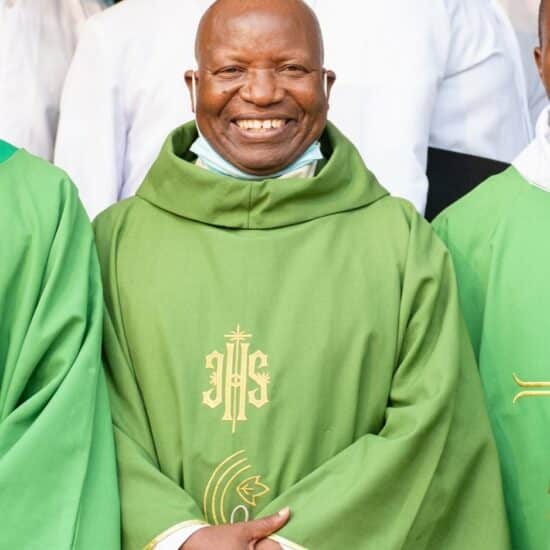
Meanwhile, speaking in an interview with Zambian Business Times – ZBT, Caritas Zambia Executive Director Fr. Gabriel Mapulanga said gerrymandering extends beyond electoral boundaries and can include policies, laws and procedures that appear lawful on the surface but are designed to produce outcomes favourable to those in power.
“Sometimes organisations, even government, can come up with policies, strategies or laws and follow all the procedures, but behind all those things is to make sure that the outcome is to their advantage or to disadvantage other people, especially in political circles,” said Fr. Mapulanga.
He explained that the essence of gerrymandering lies not necessarily in breaking the law but in arranging legal processes in ways that tilt the playing field before competition even begins.
“In our case, we can say that some of the things that may be happening may look legal on the outside, even with procedures followed, but there are certain things that make it that the end should be at the advantage of those who are doing that,” he said.
Fr. Mapulanga’s remarks come at a time when political debate has intensified over recent legislative reforms, including amendments to electoral laws and the controversial Public Gathering Bill, which critics argue have not received adequate public scrutiny.
The Caritas Zambia Executive Director noted that one of the most common forms of gerrymandering can occur through consultation processes that appear inclusive but ultimately have little influence on predetermined outcomes.
“Sometimes it is informal rubber-stamping; you know that what you want is this, then you say let us go and consult, but in the actual sense consulting people becomes a formality,” he said.
His concerns mirror sentiments he previously expressed regarding the Public Gathering Bill, where members of a technical committee that reviewed the Public Order Act in 2022 reportedly never received feedback on what changes were eventually made before the legislation resurfaced in Parliament in 2026.
According to Fr. Mapulanga, the original review process involved extensive consultations and recommendations, including proposals on appeals mechanisms, but many stakeholders remain uncertain about how much of their input survived into the final draft.
“The document was reviewed and suggestions were made and everything, but from that time it was not presented until the last days of Parliament,” he said.
Meanwhile, the debate has also extended to changes in electoral processes, nomination requirements and political alliances, with critics questioning whether some reforms could inadvertently limit political competition.
As Zambia approaches the 2026 general elections, Fr. Mapulanga’s warning raises a broader democratic question: if laws, procedures and consultations can be structured in ways that legally favour those already holding power, how can citizens distinguish between genuine reform and sophisticated gerrymandering?
Article by Phillip Sinkala