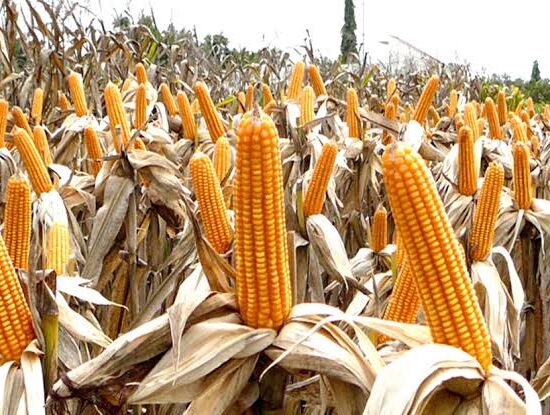
Economic expert, Joseph Mtonga has indicated that Zambia’s projected maize harvest of 4,937,605 metric tonnes provides a strong foundation for lower mealie meal prices, but warned that supply alone will not guarantee sustained relief for consumers.
Speaking in an interview with Zambian Business Times (ZBT), Mtonga said the 2025/2026 Crop Forecast Survey shows that about 2,872,508 metric tonnes, representing nearly 58% of total maize production, are expected to be sold on the market.
He noted that many observers believe the anticipated purchase of approximately 2.84 million tonnes by the Food Reserve Agency (FRA) could significantly influence mealie meal prices, but cautioned against expecting immediate miracles.
“Maize is a commodity, not a magic trick, stressing that market fundamentals would ultimately determine whether consumers benefit from the bumper harvest,” said Mtonga.
He explained that the FRA plays a critical role as a guaranteed buyer by preventing what economists call distress selling, where farmers offload grain at extremely low prices due to immediate financial pressures. Mtonga said the agency’s intervention helps stabilize farm-gate prices and maintain confidence across the maize value chain, thereby reducing the likelihood of market distortions caused by panic selling.
“We’ve already seen some positive movement; just this week, we’ve seen reports that millers have started dropping mealie meal prices to between K200 and K230, which is a direct response to a bumper harvest and a slightly more stable Kwacha,” he said.
However, Mtonga warned that the success of the FRA strategy would depend heavily on how and when the agency releases maize stocks back into the market during periods of tight supply.
“If the FRA buys this maize and holds onto it effectively, they become our insurance policy and strategic grain releases during the lean season could prevent speculative price increases and stabilize consumer prices,” he said
Article Phillip Sinkala