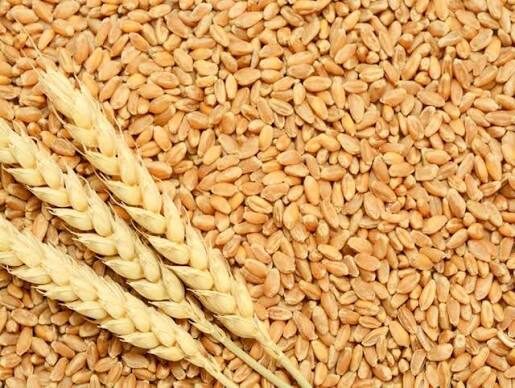
Zambia’s Agriculture sector is slowly proving to be one of the country’s dependent areas, with growth being reflected in the positive harvest in various crops especially maize which has now struggled a drop in the annual mealie meal prices.
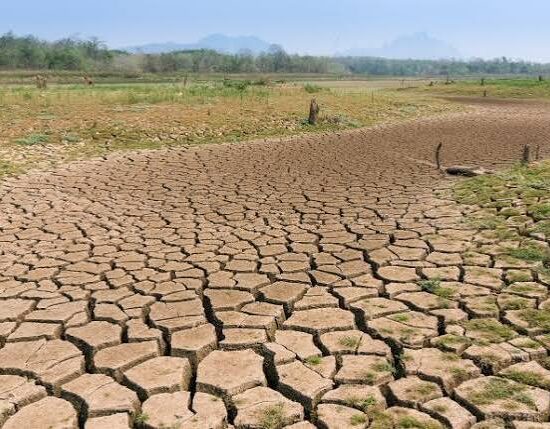
However, despite the country’s agriculture sector gaining momentum experts warn that considering the much anticipated El Nino drought which will hit various parts of the world, Zambian farmers need to adequately prepare by farming drought tolerant crops to help the country remain secure. Agriculture Expert Frank Kayula has urged farmers to shift towards drought tolerant crops considering the anticipated El Nino drought.
Speaking in an interview with Zambia Business Times- ZBT Dr. Frank Kayula noted that choosing drought tolerant crops like Sogam, sweet potatoes and cassava will help the country remain food secure even in cases of drought.
“ When farmers go for irrigation amidst the anticipated El Nino drought, they should ensure identify crops which are drought tolerant like Sogam, finger millet, that which will give the something at the end and also add sweet potatoes, and crops that taking long to grow like cassava for their own food security, “ said Kayula.
He generally noted that farmers need to adequately plan for food security considering the much anticipated El Nino drought as it may trigger increased food commodity prices. “ The prices will go up, and farmers need to prepare adequately.
We may be enjoying lower prices of mealie meal and many other commodities but when the country experiences the El Nino drought prices are likely to increase, “ said Kayula. He added that El Nino drought is real and encouraged farmers to shift towards irrigation farming to be able to grow more maize for food security.
“ El Nino is real and it is going to pose serious challenges to the country’s food security, that’s why farmers that are able to do irrigation farming should shift towards those areas to ensure that more maize is grown even with the anticipated El Nino drought,” said Kayula.
Article by Phillip Sinkala