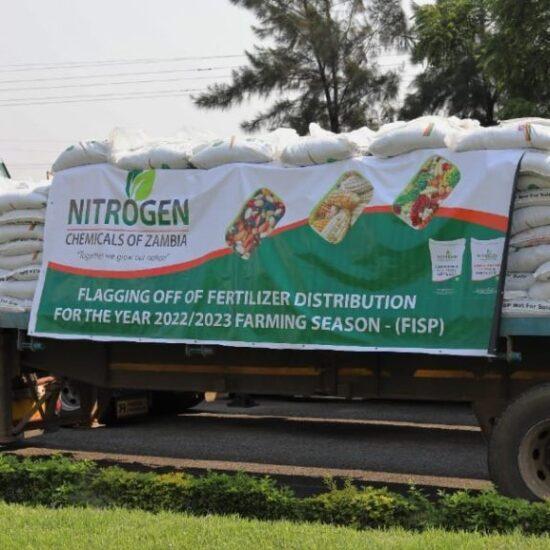
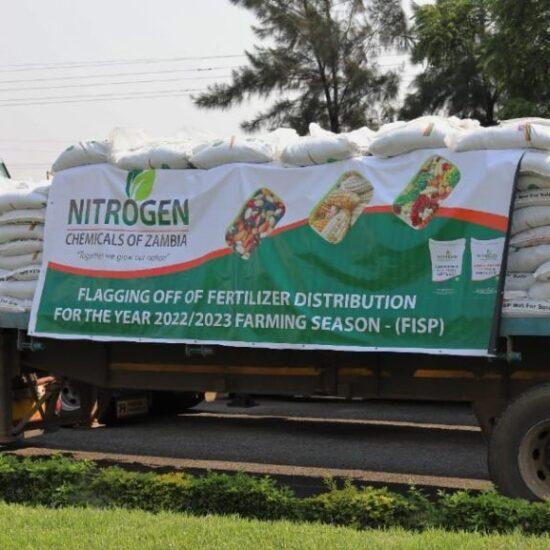
Agriculture expert, Gilbert Banda has welcomed the planned conversion of the Farmer Input Support Programme (FISP) into an agriculture loan scheme in 2027, arguing that the current subsidy model has become a drain on national resources without delivering the intended results.
His comments come after Minister of Finance and National Planning Situmbeko Musokotwane announced during the presentation of Zambia’s 2027 National Budget that FISP, which has traditionally been subsidy-based, will transition into an agriculture loan scheme as originally intended.
Speaking in an interview with Zambian Business TimesZBT, Banda said the programme has failed to achieve its objective of helping beneficiaries graduate from government support, despite years of public investment.
“For a long time, we have been making investments which are not bringing returns, and for me, FISP has become a drain on national resources that could have been invested in more productive activities,” he said.
Banda added that the programme has also created opportunities for resource leakages, pointing to the Auditor General’s findings on ghost farmers and irregularities in the distribution of farming inputs. He indicated that the transition can initially affect farmers who have become dependent on subsidised inputs, but argued that it is necessary to encourage a shift from reliance on government support towards agricultural entrepreneurship.
“When people get used to freebies, it becomes very difficult when they are taken away, but we need a mindset change where farmers begin to see opportunities instead of depending on government to feed them,” said Banda.
He, however, said the new loan arrangement should not necessarily mean government directly taking responsibility for lending, but should create room for banks and other private-sector institutions to finance farmers.
“I hope it will not be government giving loans directly, but the private sector participating actively, with government supporting banks and other institutions to develop agricultural financing,” said Banda.
Meanwhile, he indicated that government must explain how the resources saved from the subsidy programme will be redirected towards productive sectors capable of generating more value and revenue for the country.
Banda also urged government to begin communicating the changes early through agricultural extension services and camp officers so that farmers understand the new arrangement, prepare for the transition and identify alternative opportunities before the 2027 farming season.
Article by Philip Sinkala