The Zambia Seed Trade Association (ZASTA) has expressed concern with the developing practice of farmers redeeming only fertilizer under the government e-voucher programme without obtaining certified seed.
Speaking during a media briefing attended by the Zambian Business Times – ZBT in Lusaka, ZASTA President Patrick Nyumbu stated that the practice could undermine household and national food security.
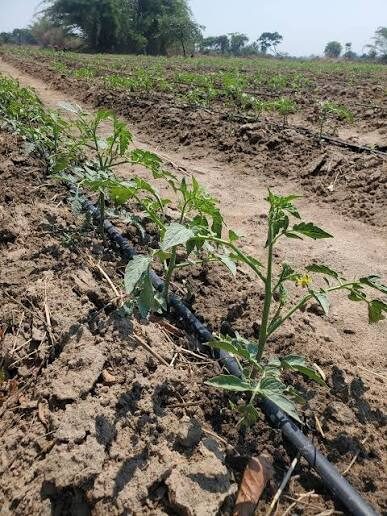
“If a farmer only redeems fertilizer, it raises a question of how that fertilizer will be utilized without seeds, and this creates a risk where the fertilizer may end up being sold instead of being applied in the farmer’s fields,” said Nyumbu.
He said that the practice could also distort the agricultural input market and create room for farmers to use seeds of unknown quality.
“This practice may lead farmers into utilizing sub-standard seeds of unknown origin or attributes, and that can undermine the productivity improvements that the country needs,” said Nyumbu.
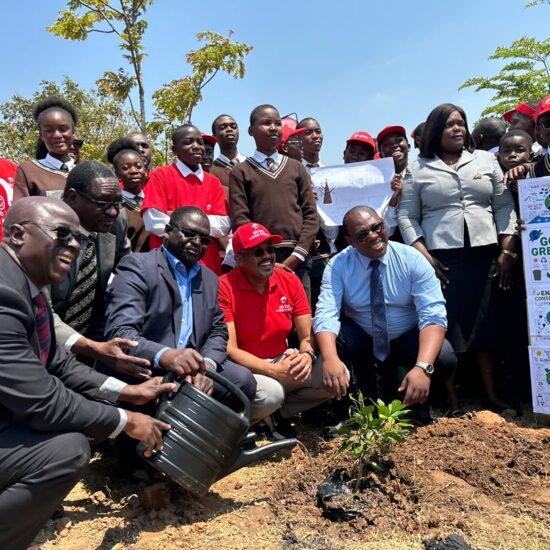
ZASTA President further explained that the Grow Zambia Agenda announced by President Hakainde Hichilema is a step in the right direction but requires strong private-sector participation to achieve its targets.
“The Grow Zambia Agenda is one of its kind because it sets measurable targets as opposed to mere rhetoric, and ZASTA stands ready to partner with Government in delivering against those targets,” he said.
Nyumbu added that three of the key production targets directly supported by ZASTA members are 10 million metric tonnes of maize, three million metric tonnes of soyabeans and one million metric tonnes of wheat.
He noted that the agricultural targets could increase rural household incomes, strengthen value chains and contribute to a more diversified export base, particularly as Africa continues to spend heavily on food imports.
Nyumbu further said ZASTA supports the Kenya maize export initiative because it can position Zambia as a credible grain supplier in the region and encourage stronger cross-border agricultural supply chains.
He said that with the anticipated El Niño conditions, farmers are urged to use certified and climate-smart seed varieties that are bred and tested for heat and drought tolerance to improve their chances of harvesting under extreme weather conditions.
“The success of the Grow Zambia Agenda will require improvement in production and productivity, and that cannot be achieved through fertilizer alone because farmers need the right seed to unlock the potential of the inputs they receive,” said Nyumbu.
Article by Philip Sinkala