The Zambian Open Private Schools Association (ZOPSA) has challenged the government to consider partnering with private schools as overcrowding continues to strain public education infrastructure under the free education programme.
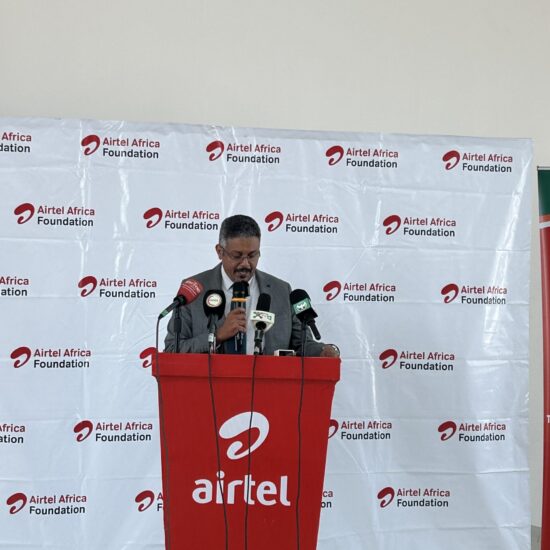
Speaking in an interview with Zambian Business Times – ZBT, ZOPSA President, Kennedy Mwansa said the country cannot realistically depend on public schools alone when demand for classroom space continues to rise.
Mwansa noted that free education has increased enrolment nationwide, exposing long-standing shortages in classrooms, teachers and learning facilities. He argued that while the policy has succeeded in opening school doors to more children, it has simultaneously stretched public institutions beyond their intended capacity.
According to Mwansa, some public schools are now handling more than 120 learners in a single classroom, creating difficult teaching conditions for educators. “Some public schools are accommodating close to 120 or 130 pupils per class and that is one teacher handling learners like that,” he said.
Mwansa stated that rather than constructing an entirely new network of schools from scratch, government could leverage existing private school infrastructure to absorb excess demand. “In fact, that is something that we are actually pushing for so that government should work with private schools to accommodate some learners,” he said.
Mwansa proposed a model where government-supported learners could be placed in accredited private schools located in areas experiencing severe congestion in public institutions. He pointed to the Constituency Development Fund (CDF) bursary model as proof that partnerships between government and private institutions can successfully expand access to essential services.
“Many private schools have already benefited indirectly from CDF-supported learners, demonstrating that public-private cooperation is both possible and practical,” said Mwansa.
Meanwhile, he observed what he described as a contradiction in Zambia’s education system, where some public schools are overwhelmed while private schools in the same communities still have available classroom space.
Mwansa questioned whether policymakers should continue allowing pupils to squeeze into overcrowded classes when existing private sector infrastructure could be utilized to improve teacher-pupil ratios and learning outcomes across the country.
Article by Phillip Sinkala