By Karl Nehammer
Africa’s agricultural imports have been exceeding exports in the recent past, yet it has the majority of the world’s arable land. The 2025 edition of the Africa Agricultural Trade Monitor, an annual report tracking agricultural trade trends across the continent, shows that Africa exported about $93.3 billion worth of agricultural products in 2023, while imports reached nearly $110 billion over the same period.
Agriculture is at the centre of global development. The way food is produced, distributed, and financed fundamentally shapes food security, climate resilience, and economic development, while also underpinning the livelihoods of millions, given that agriculture remains the principal source of employment across Africa.
As the world changes, so is Africa’s approach to agriculture. The continent is steadily evolving to maximise transformative impact, focusing on interventions along strategic economic and logistic corridors and on strengthening value chains – from farm production to processing, transportation, and market access. This approach drives both economic development and job creation while enhancing the spill-over benefits of agriculture investment, particularly in climate action and social inclusion.
African countries, together with their development partners, are undertaking efforts to address the challenges facing the sector, many of which stem from a policy environment that has historically prioritized other sectors at the expense of agriculture.
On the production side, the predominance of small-scale farming also poses constraints on the viability of large-scale investment initiatives. Additionally, high dependency on rainfed agriculture low adoption of technology for improved seeds, and digital technology such as AI-powered drones for crop monitoring, sensors for soil moisture, and blockchain for supply chain transparency, significantly constrains productivity, particularly in the context of countering climate related challenges.
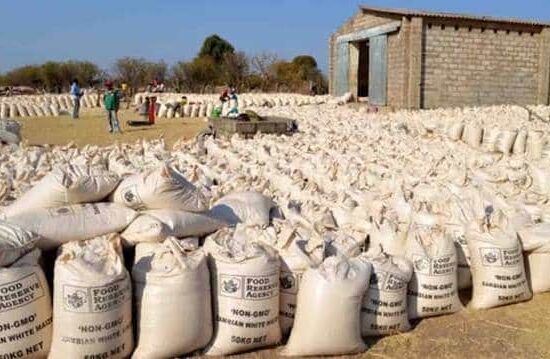
Infrastructural gaps particularly, inadequate cold chain and storage facilities, poor transport network, and an inefficient electricity supply network have led to high post-harvest losses with an estimated 30% to 50% of food produced in Africa wasting annually. Due to these challenges, the sector continues to be viewed as high risk by commercial lenders, further constraining access to credit.
European Investment Bank, through its international partnerships and development finance arm, EIB Global, is committed to strengthening agriculture worldwide with a particular focus on low- and middle-income countries. Outside the EU, the Bank’s support aligns with the Global Gateway in key areas of sustainable food systems, forests, biodiversity and ecosystems, in compliance with EU standards and guidelines.
Since 1965, when EIB Global approved its first loan to support agriculture outside Europe, the Bank has financed more than 3,000 agricultural projects outside the EU, for a total of over €85 billion — with more than 80% of this volume committed in the past decade, reflecting the Bank’s growing focus on agricultural development and food security.
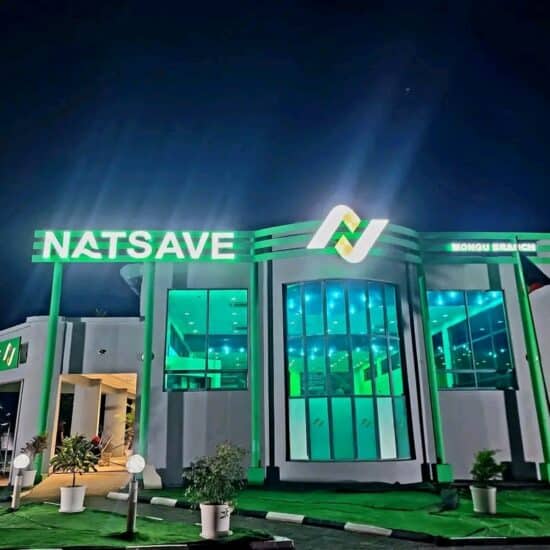
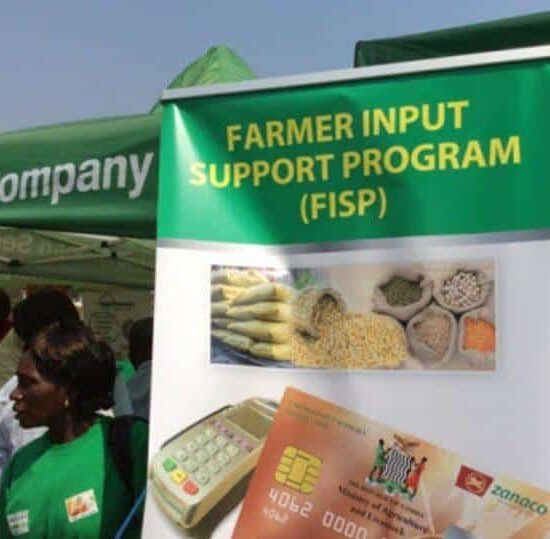
EIB Global supports the development of the agricultural sector by extending credit lines to African commercial banks, thereby catalysing the mobilisation of private capital for on lending to small scale farmers, SMEs and Mid-Caps operating across the agricultural value chain. This financing approach has demonstrated strong effectiveness in several partner countries, including Kenya, Côte d’Ivoire, Malawi, Rwanda, Zambia, and others.
EIB Global also directly finances corporates who are undertaking large projects with a recent example being a $110 million loan to ETC Group to modernise processing plants, storage and transport infrastructure across sub-Saharan Africa, including Mozambique, Malawi, Benin, Zambia, Tanzania and Uganda.
This financing is one of the largest loans ever granted by the Bank to a private company in Africa, reflecting our ambition to build long-term partnerships that boost competitiveness, foster climate resilience and improve livelihoods across the continent.
The Bank is increasingly looking at strategies to mobilise private capital alongside experienced fund managers that can act as catalysts in local African markets. By crowding in additional European development finance institutions and private investors, Venture Capital/Private Equity Funds can mobilise capital well beyond the EIB Global’s initial commitment, delivering “win-win” partnerships that improve agriculture outcomes and boost private sector growth.
A good example is the Arch Cold Chain East Africa Fund, which is building a world class Cold Chain network across East Africa. One of their facilities is up and running in Kenya. Their temperature-controlled warehouse and logistics services will provide a one-stop shop for cold chain solutions incorporating temperature-controlled storage and food processing. This will go a long way in reducing food wastage.
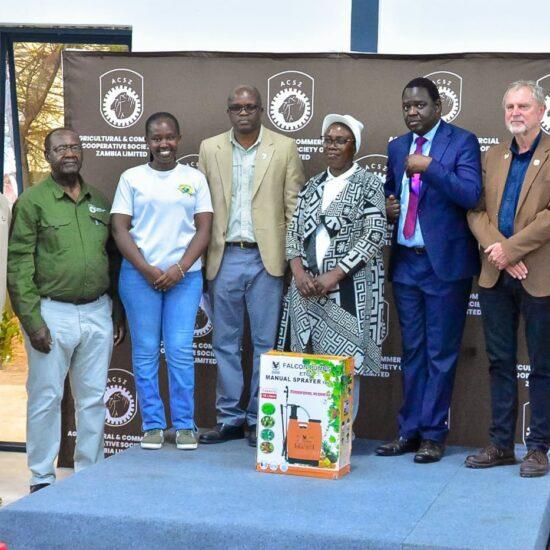
In partnership with other global organisations and African governments, EIB Global provides technical assistance to both farmers so that they can adopt climate resilient farming methods and commercialize their operations better and the local banks, so that they can develop and implement policies that direct financial flows to the agriculture sector.
Collaboration is key, especially in a fast-changing world and this approach is reinforced through close cooperation with Rome-based UN agencies – Food and Agriculture Organization (FAO), International Fund for Agricultural Development (IFAD), and World Food Programme (WFP).
Joint projects blend financial capacity with technical expertise, ensuring impact even in fragile and low-capacity contexts. For example, a landmark €500 million loan to IFAD, is already scaling rural development and food security in over 70 countries across geographies, with a focus on Sub-Saharan Africa. Moreover, at the Financing for Development (FfD4) summit in Seville in July 2025, EIB Global also deepened its collaboration with FAO and WFP through new Memorandum of Understanding.
The EU continues to partner with many African countries to set up Economic Partnership Agreements (EPA) that look to boost trade by promoting tariff free access of exports from Africa into the EU. This will further support the growth of the agricultural sector, which is a key economic driver and earner of foreign exchange for many countries.
Additionally, the entering into force and the implementation of the African Continental Free Trade Area (AfCFTA) also provides opportunities to enhance regional trade and investment in the agrifood sector across the 54 African countries.
Through these diverse set of instruments, steadfast support from our EU member states and effective coordination with our African and international partners, we aim not only to amplify investments in agriculture but also to make them more impactful, sustainable, inclusive and equitable.
Our goal is clear – an agricultural sector that feeds the world, empowers communities and preserves the planet for future generations.
Karl Nehammer is a Vice President at the European Investment Bank and oversees investment operations in Sub-Saharan Africa, through EIB Global- the Bank’s arm for international partnerships and development finance.