By Justine Phiri
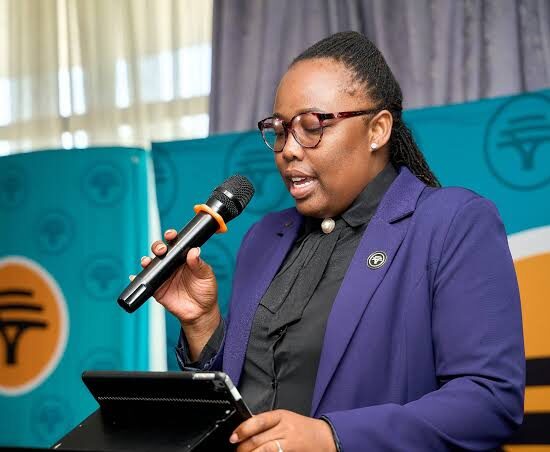
Oil Marketing Companies Association of Zambia President Dr. Kafula Mubanga has confirmed a fuel shortage across the country, specifically a shortage of petrol. Speaking in an interview with Zambian Business Times – ZBT, Dr. Kafula noted that as of mid-September 2025, the Energy Regulation Board (ERB) in Zambia confirmed a fuel shortage specifically of petrol.
Dr. Kafula attributed the petrol shortage to the Tanzania Oil supplier prioritizing their home country needs and in the process resulting in Zambia recording fuel shortages “The current shortage is due to a combination of factors but the main reason cited by the ERB is reduced allocation of petrol from a major supplier in Tanzania, which prioritized its own domestic demand”, Dr. Kafula told ZBT.
“As of Mid – September 2025, ERB in Zambia had confirmed a fuel shortage across the country specifically of petrol which has left many filling stations in major cities like Lusaka being out of stock”, said Dr. Kafula. He stated that the ERB has attributed the current shortage due to reduced allocation of petrol from major suppliers in Tanzania who are prioritising their domestic demand.
He added that the shortage has forced Oil Marketing Companies (OMCs) to seek for other alternative and complex supply routes. Dr. Kafula also noted that the reliance on road transport for the importation of fuel, especially following the closure of the country’s only oil refinery is making the supply chain vulnerable to disruptions.
“The reliance on road transport for imported fuel, especially following the closure of the country’s only oil refinery, makes the supply chain vulnerable to disruptions and the past transit issue of congestion at ports like Beria in Mozambique is also a challenge”, said Dr. Kafula
However, Dr. Kafula disclosed that specific measures to address the shortage are not fully detailed as the government and ERB are working on a number of initiatives to improve the energy sector resilience and prevent future shortages which will include streamlining import processes, diversifying supply routes and the open access tendering.
“The government together with ERB previously directed importers to pre-clear products to minimize border delays and lifted restrictions on the movement of petroleum trucks and encouraged OMCs to relax tender procedures to allow more Zambian tankers to transport fuel from various sources, and despite the open Access system facing some systematic challenges, it is intended to provide a more competitive environment for OMCs to import fuel, which should improve supply stability in the long term”, said Kafula.
Dr. Kafula further mentioned that while the shortage is a national wild issue, Zambia’s capital city has been largely affected leaving many filling stations running out of petrol and many other provinces are experiencing the similar issues. He also stated that the long term solution to Zambia fuel security challenges involves moving away from the complete reliance on imported finished products and addressing system issues within the supply chain.
“While there have been reports of petrol shortages, government officials have previously stated that the country has adequate diesel stock, but the long-term solution to Zambia’s fuel security challenges should involve moving away from the complete reliance on imported finished products and addressing the systemic issues within the supply chain”, said Kafula.
Stakeholders say that this may act as a lesson to the Zambian authorities when it comes to priotizing national needs ahead of export and other considerations. There are situations for instance in the electricity sector were the Zambian government through state owned utility ZESCO has been accused of exporting electricity when the country has serious shortages that has resulted in killing of local businesses as well as making households go through excessive hours of daily load shedding.