According to the Ministry of Livestock and Fisheries announcement made in 2025, the government intends to increase Zambia’s national cattle population from 5.1 million to 7.4 million by 2027.
Meanwhile, the UPND government, through its Grow Zambia Agenda, is aiming to export beef worth $1 billion annually by 2031, raising the need for an organized livestock marketing system that can connect farmers to reliable markets.
Speaking in an interview with Zambian Business Times (ZBT), Agronomist Clever Munsunge said Zambia needs a structured livestock marketing authority that can coordinate the buying and marketing of cattle and other livestock in a manner that gives farmers better access to markets.
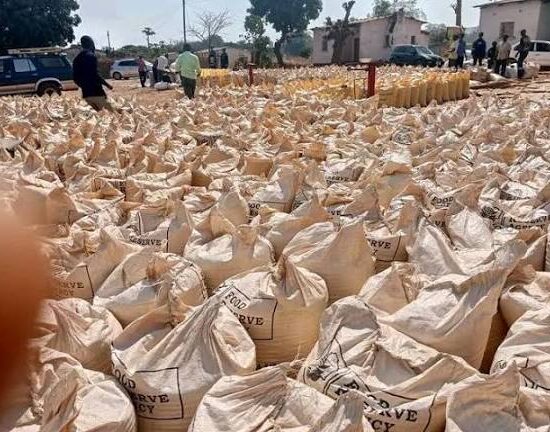
Munsunge explained that such an authority could play a role similar to the Food Reserve Agency (FRA) in the maize sector by creating an organized system for purchasing livestock and reducing the difficulties farmers face when looking for buyers.
“We need to emulate Botswana, the biggest beef exporter in Africa, by creating a commission like FRA, something that will create a proper system and support cattle, pigs, and many livestock exports to other regions,” he added.
Munsunge said a livestock marketing authority would also be important in addressing the imbalance between farmers and buyers, particularly because smallholder livestock farmers often have limited influence over the prices offered for their animals.
He added that organized marketing could give farmers a stronger position by creating predictable channels through which livestock can be sold, instead of leaving individual farmers to negotiate with buyers who have greater control over the market.
“A smallholder farmer never determines the price at which they sell their animals, because when the buyers come, they are the ones who decide what they are going to pay, so we need a system that can help farmers to market their livestock in an organized way,” said Munsunge.
Meanwhile, the agronomist said the authority should not only buy livestock but also work with farmers from the production stage by providing guidance on when and how animals should be prepared for the market, helping Zambia move towards a more commercial and organized livestock industry.
He added that an institution involved in livestock marketing at the production level could help farmers understand market requirements and prepare animals for timely sale while also creating a stronger supply base for Zambia’s domestic and export markets.
“If we have something like an equivalent of FRA dealing with cattle, it should be involved with the farmer even at production level, advising farmers on how to ensure that these animals quickly reach the market, because this is the type of farming we should get into,” said Munsunge.
Article by Philip Sinkala